How restaurants can cut third-party delivery commissions (and own more orders)
Marketplace delivery apps can take 15–30% of every order. Here's how to use them as a discovery channel without depending on them — and shift repeat customers to your own ordering.
For a lot of restaurants, the delivery apps feel less like a partner and more like a landlord. A marketplace order can carry 15–30% in combined commissions and fees — and on the margins most kitchens run, that’s the difference between a profitable order and a free one. You can’t ignore the apps (that’s where customers look), but you don’t have to let them own your business either. Here’s how to take the relationship — and the orders — back.
The real cost isn’t just the commission
The percentage hurts, but the deeper cost is the relationship. On a marketplace, the customer is the platform’s, not yours: you don’t get their contact info, you can’t market to them, and your “regulars” are really the app’s regulars. You’re renting access to your own customers.
| Marketplace order | Direct (first-party) order | |
|---|---|---|
| Commission | ~15–30% | None (just payment processing) |
| Customer data | The platform’s | Yours |
| Repeat marketing | Not allowed | Email/SMS/loyalty, yours |
| Menu & pricing control | Constrained | Full |
| Discovery of new guests | Strong | You drive it |
Treat marketplaces as acquisition, not dependence
The reframe that fixes the economics: marketplaces are paid customer acquisition. A 25% commission to win a brand-new guest is expensive but defensible once. Paying it on that same guest’s 30th order is just lost margin. So the strategy is simple to state: let the apps bring new people, then move the repeats to your own channel.
Build a direct channel worth using
Customers will order direct if direct is genuinely better. Give them:
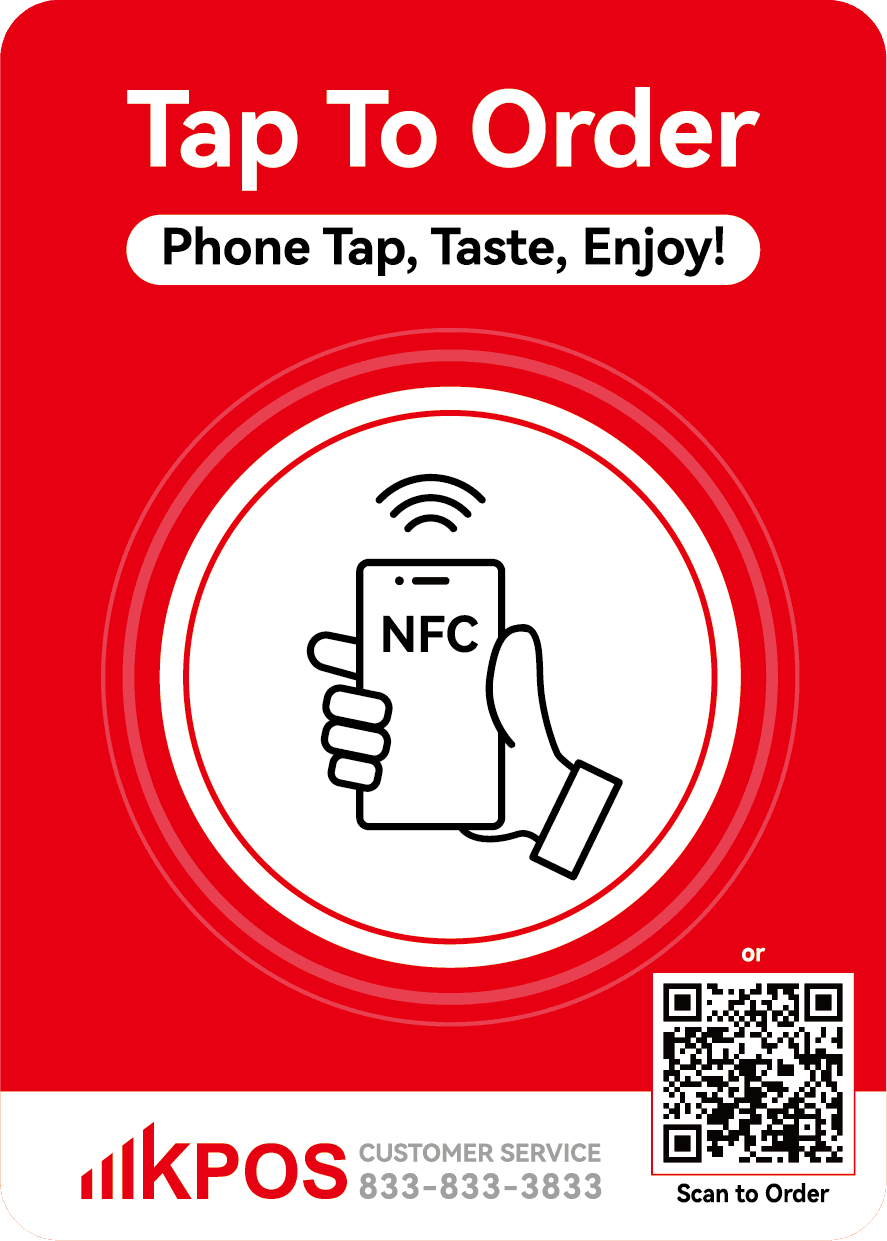
- Branded, no-friction ordering — scan-to-order, mobile web and a customer app, all on one menu, no app install required to start.
- A reason to switch — loyalty points or a small perk for ordering direct. Even a modest edge beats the marketplace’s zero.
- Visibility — a QR on the table and counter, signage, and an insert in every marketplace delivery bag pointing to your own site.
Don’t lose the fulfillment
Owning the order doesn’t mean owning a delivery fleet. Cover fulfillment with your own drivers for a tight radius, a flat-fee delivery-as-a-service provider that delivers your direct orders for a fixed cost instead of a percentage, or by keeping marketplaces for the deliveries you don’t want to run yourself.
Keep the chaos in one place
If you do run marketplaces alongside direct ordering, the operational tax is the tablet wall — a device per app, each with its own menu to maintain and its own tickets to re-key. Pulling third-party delivery into the same system as your direct orders means one menu, one queue, and one set of numbers — so adding a channel doesn’t add a headache.
Where KPOS fits
KPOS puts your first-party channels and third-party delivery on one platform: accept the marketplace orders without the tablet wall, and steadily shift repeat customers to commission-free direct ordering where you keep the margin and the relationship. For the payments side of the math, see how to lower card processing fees, or request a quote.
Frequently asked questions
How much do third-party delivery apps charge restaurants?
It varies by platform and plan, but marketplace commissions commonly land in the 15–30% range per order once delivery, service and marketing fees are included. On thin restaurant margins that can erase the profit on a delivery order entirely — which is why the goal isn't to ban them, it's to stop depending on them.
Should I stop using DoorDash and Uber Eats entirely?
Usually not. Marketplaces are a real discovery channel — new customers find you there. The smart play is to treat them as paid acquisition: let them bring first-time guests, then convert those guests to your own direct ordering for repeat visits, where you keep the margin and the relationship.
How do I get customers to order directly instead of through a marketplace?
Make direct ordering easy and rewarding: a branded QR and web/app ordering, a small perk or loyalty points for ordering direct, an insert in the marketplace bag pointing to your own site, and consistent signage in-store. Owning a faster, cheaper, points-earning channel is what pulls repeat orders off the marketplace.
Do I still need delivery if I have my own online ordering?
You still need fulfillment. Options: your own drivers for a local radius, a flat-fee delivery-as-a-service provider that drives for your direct orders, or keeping marketplaces for the long-tail discovery. Many restaurants run direct ordering for pickup and nearby delivery while keeping marketplaces purely for reach.
How does KPOS help cut delivery costs?
KPOS gives you first-party ordering channels — branded app, mobile web and scan-to-order — on the same menu and back office, plus third-party delivery pulled into one queue. So you can accept marketplace orders without a tablet wall and steadily move repeat customers to commission-free direct ordering you control.
See KPOS in your restaurant
One AI-powered platform for ordering, payments and operations.
Book a 15-minute demo